Table of Contents
The History of Hash
From Thousands of Years Ago to Now
What is Hash and the History of Hash?
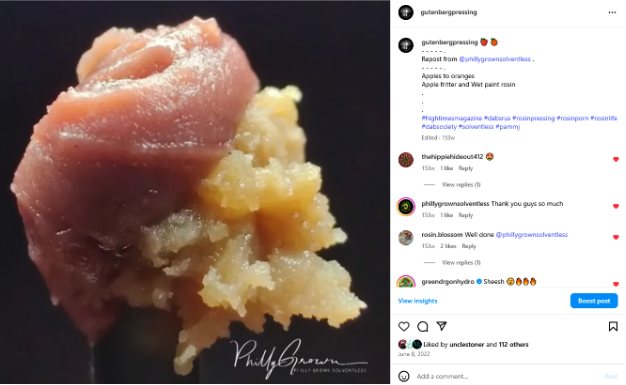
Hash is known by many names: Hashish, Bubble Hash, Hash Rosin, Charas. But they all refer to the concentrated form of cannabis that comes from collecting the resin of the marijuana plant. Trichomes (the crystals on the marijuana plant) contain cannabinoids (THC, CBD, etc.) and terpenes (the flavor and aroma). Hash is a compressed collection of these trichomes. It can look dark brown and sticky, light and fluffy, or even dusty. How the end product appears depends on the process by which it is made (see How to Make Hash below). All hash is produced without the use of any solvents unlike other forms of cannabis concentrates like shatter or crumble. We call hash production solventless.
Compared to regular marijuana flower, hash has a much stronger potency because it is a concentrated form. Marijuana flower can have up to around 30% THC by weight whereas hash rosin can have 75% THC. This makes smoking hash quite a significant experience. Hash can be smoked in a few ways. Hashish can be crumbled up and put in a bowl or sprinkled in a joint. The same goes for smoking bubble hash. Hash rosin is best smoked as a dab. Even some of the higher-quality bubble hash (known as full melt) can be dabbed.
Where Did Hash Come From: Origins and Cultural Significance
“Exactly where, how, and by whom Cannabis was first used is unknown, but its ancient use for food, fiber, and recreational and medicinal drugs is well established by both archeological evidence and written accounts” (Robert Connell Clarke). It is generally accepted that hand-rubbed hash originated over 2000 years ago in Asia. Cannabis remains were found in 2500 year old tombs in China (Fatima Bachir).
Hash was associated with spiritual practices, mysticism, and as medicine way back then. In India, hashish was used in religious ceremonies during festivals such as Holi and Maha Shivaratri. In the Arab world, hash holds a significant place as well. Unlike alcohol, which is prohibited by the Quran, hash is not explicitly forbidden (Gabriel Nahas). In Morocco, hash was probably introduced at the end of the 13th century. Since then, Morocco has held a long established history with hashish use. The Arabic word for hash in Morocco is Kif, which means “pleasure or well being and connotes dream and ecstasy” (Gabriel Nahas).
Hash made its way to Europe by the 1800’s and has remained prominent in the continent since then (Narconon). It was used by doctors to aid with a variety of ailments. It also became popular among writers and artists such as Victor Hugo and Charles Baudelaire. Hash continued to grow in popularity and use through the 1960’s where it became a symbol for those interested in alternative lifestyles (like the hippies).
Where is Hash Now: Modern Hash
In recent years, hash remains a popular choice throughout Europe and Asia. The biggest change in popularity has been in the United States where bubble hash and hash rosin have become increasingly popular. The spread of state legalization in the U.S., the legalization of home-grow, and relaxed laws for the black and grey markets have led to more producers than ever before. Many producers and home-grow enthusiasts alike have turned to solventless production because of the high quality of the end product and the ease of doing it yourself.
Unlike butane extractions, solventless processing does not require a lab or expensive equipment (although it could if you are doing it on a large scale). Now consumers can find hash products pretty easily compared to just a few years ago when it was almost non-existent. Part of the reason for this exponential increase in popularity is due to the large amount of hash competitions. There are quite a good bit of hash competitions throughout the entire country. Producers come to show off their work and consumers come to see who has the best products in the game. It seems that the hash train has really started to move quickly and does not seem to be slowing down.
How to Make Hash
Hashish (Temple Balls)
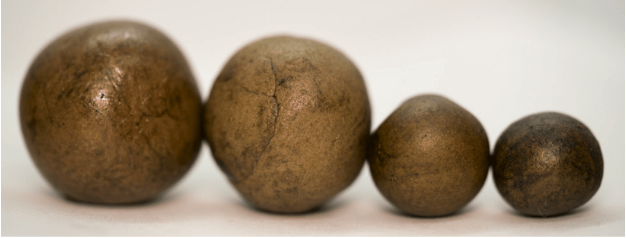
Hashish and Hash Temple Balls are made in one of two ways: hand-rubbing or sieving. Hand-rubbed hash is exactly what it sounds like. Rub cannabis flower between the palms and then collect the resin that sticks to the hands. It is a laborious process, but this is the ancient way of producing hashish and the process can connect you back to a time which we should never forget. Sieving hash is still an older technique, but more commonly in use today. This process involves a fine mesh screen which is used to filter impurities from your hash. Hashish contains not only cannabinoids and terpenes, but other plant material as well. The best hash has as little plant material as possible.
Bubble Hash
Bubble Hash is made by knocking trichomes off of the plant in an ice water bath then filtering the trichomes out of the water using fine nylon mesh bags known as bubble bags. In a bucket, combine ice, water, and cannabis flower. Mix this up to freeze then knock the trichomes off the plant. Pour the water containing the trichomes through mesh bubble bags. The bubble bags will collect the bubble hash while allowing the water to flow through. Collect the bubble hash from the bubble bags and let it dry and viola!

Hash Rosin
Hash rosin is made by processing bubble hash (see above) even further. The use of a rosin press is absolutely necessary. A rosin press is a machine with heated plates that are pushed together with hydraulic pressure. To make hash rosin, take bubble hash and fill it into a rosin bag. A rosin bag is a nylon mesh bag used for pressing rosin. Once your bubble hash is inside the rosin bag, place the rosin bag onto the plates of the rosin press. Heat the plates up and press them together. Hash rosin will flow through the rosin bag and the unwanted plant material will stay inside. Now you have the most coveted cannabis product in the world!